Prototyping Emergencies

Systems Thinking in Designing for Healthcare Resilience
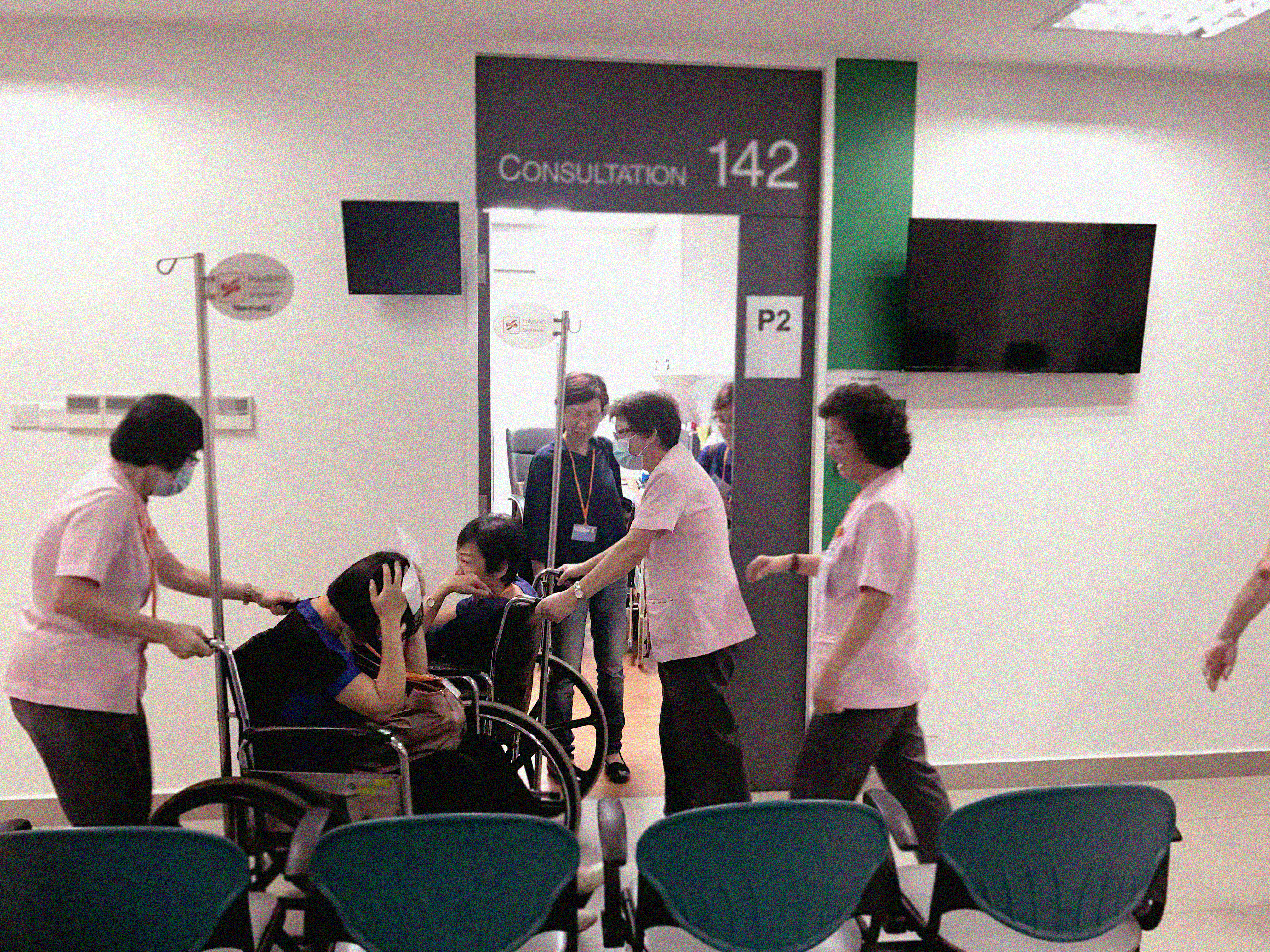
Exercise Golden Phoenix was a strategic initiative aimed at improving the resilience of SingHealth polyclinics in the face of emergencies. The project explored how systems thinking and design-led approaches could help healthcare facilities respond effectively to sudden patient surges while maintaining essential care.
Challenge
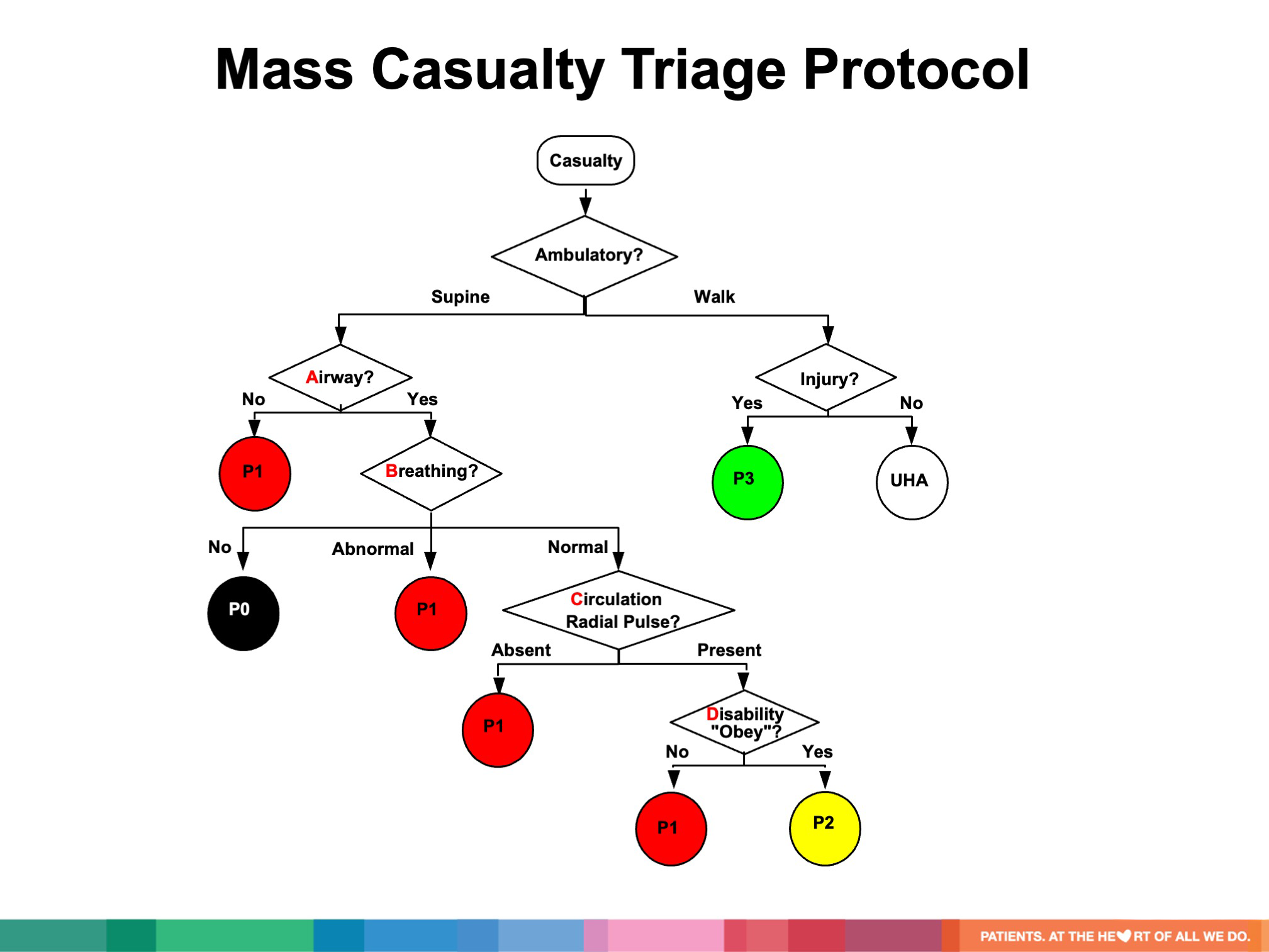
Polyclinics operate under high daily demand, but during crises — such as pandemics, haze events, or mass casualty incidents — the system can quickly become overwhelmed. Key challenges included overlapping staff responsibilities, communication breakdowns, bottlenecks in patient triage, and limited visibility into resource allocation. The goal was to understand these vulnerabilities and design interventions that would allow the system to adapt under pressure.
Approach
The project began by mapping the healthcare ecosystem, including patients, frontline staff, administrative teams, and external partners such as hospitals and ambulance services. This revealed hidden interdependencies and potential points of failure.
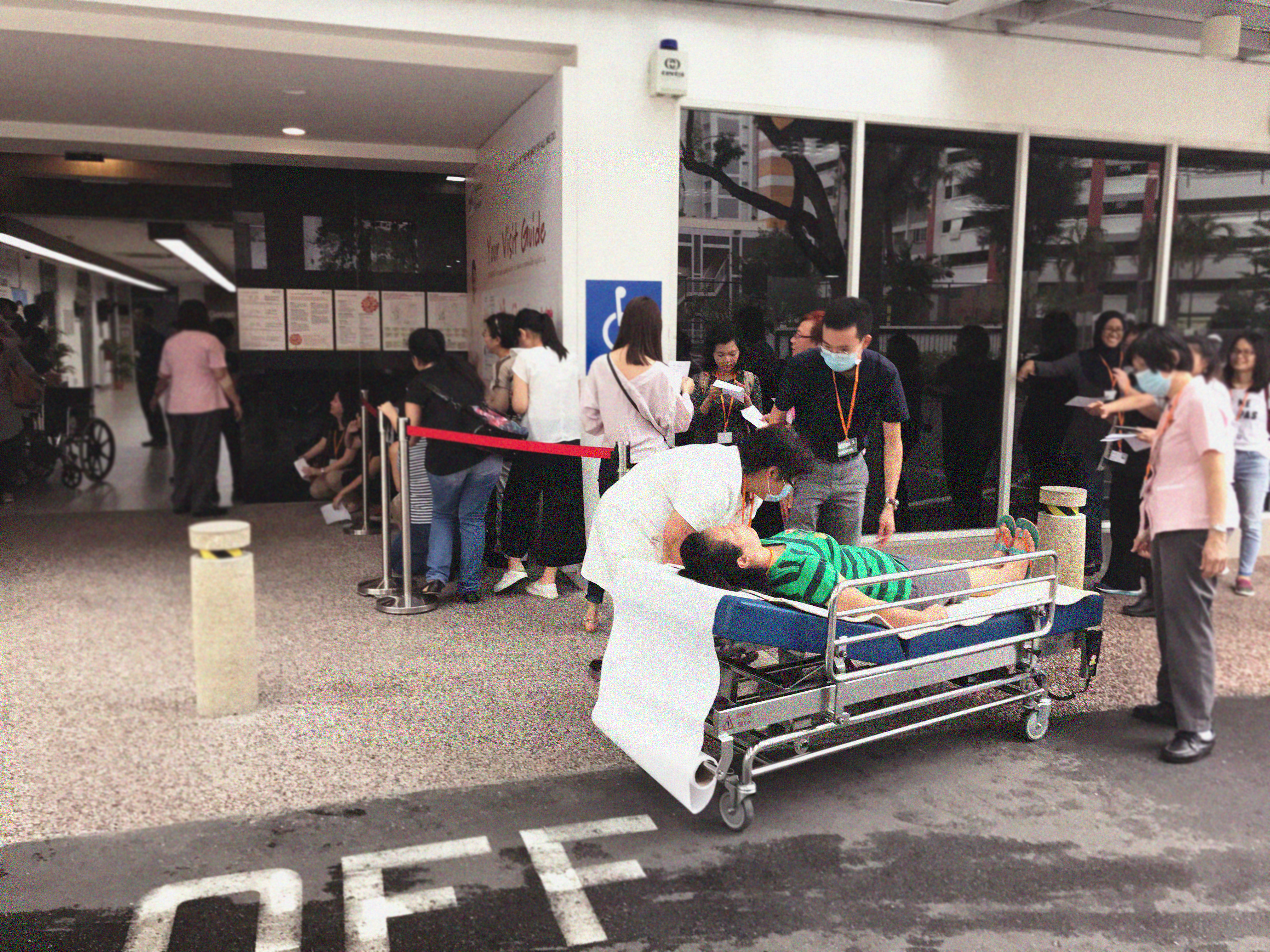
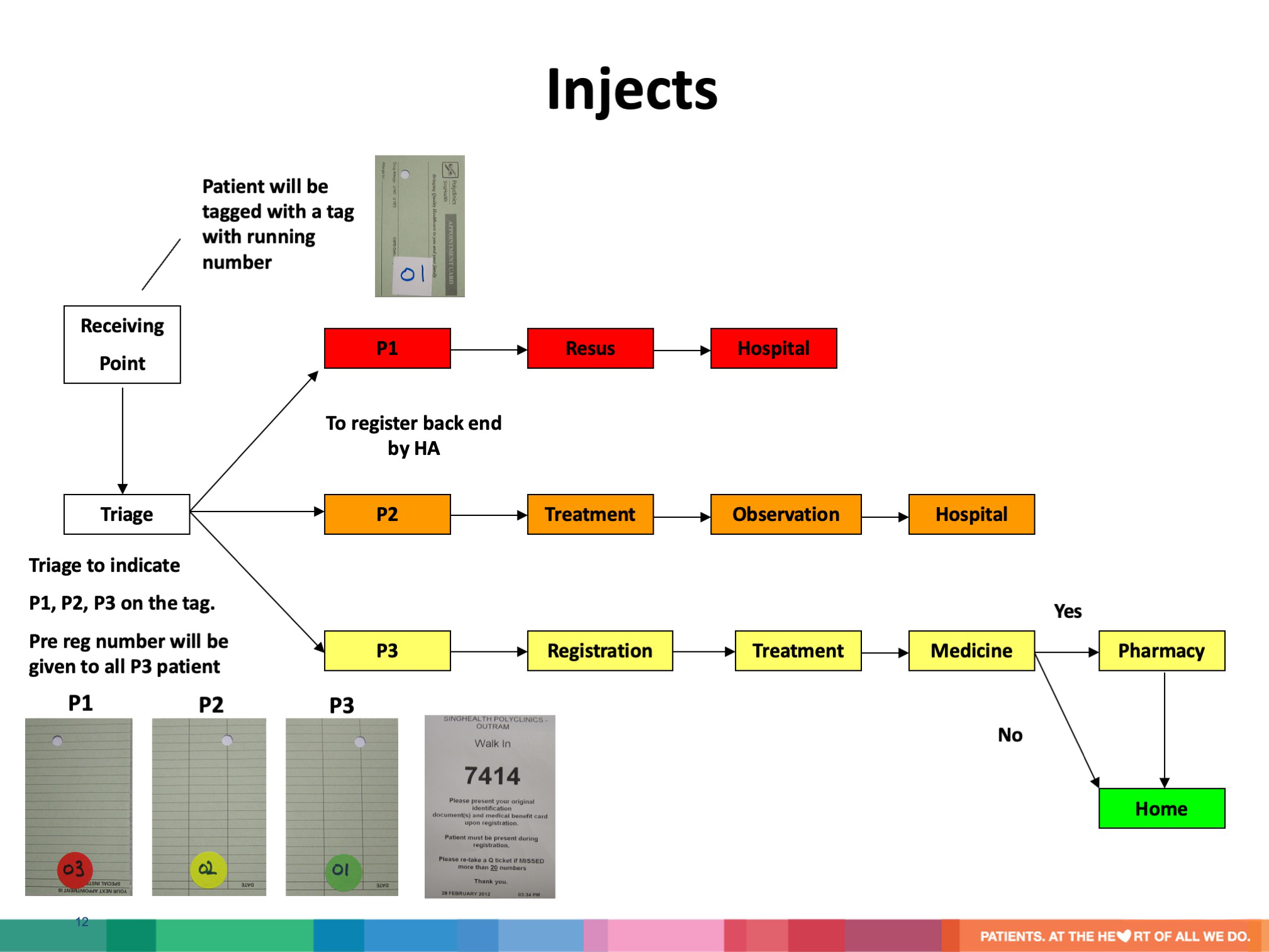
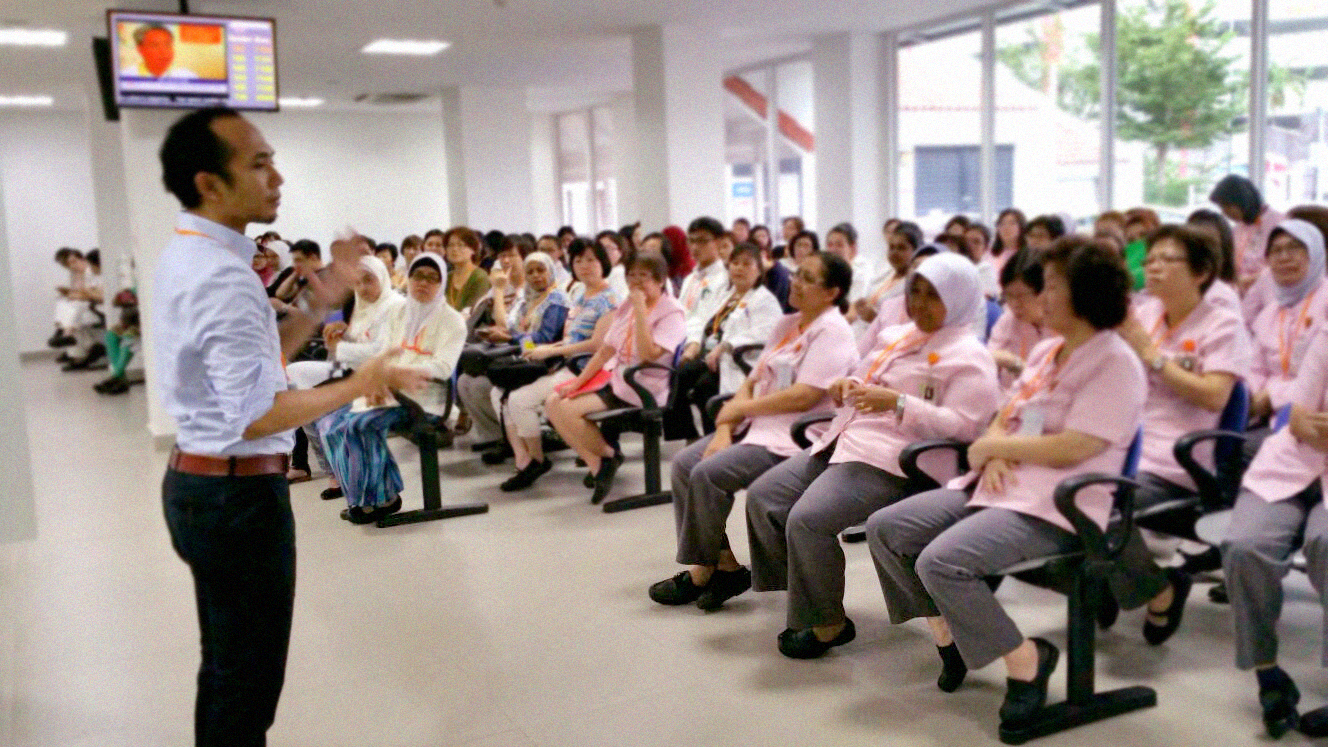
Using scenario-based prototyping, the team simulated emergencies to test how the system would respond under stress. Stress-testing exercises identified critical leverage points where small interventions could produce large improvements in outcomes. Strategies were iteratively developed and tested, focusing on clearer role definitions, staff redeployment protocols, and optimized patient flow during crises.
Outcome
The resulting framework improved clarity of responsibilities, reduced communication delays, and enhanced the ability of polyclinics to respond effectively to emergency situations. By translating complex interdependencies into actionable strategies, Exercise Golden Phoenix demonstrated how design thinking and systems analysis can strengthen healthcare resilience at both operational and organizational levels.
Key Takeaways
- Problem: Polyclinics risk operational breakdown during crises due to staff overlaps, communication gaps, and patient surges.
- Approach: Systems mapping, scenario prototyping, and iterative interventions to test resilience.
- Impact: Improved role clarity, faster communication, optimized patient triage, and actionable resilience framework.
- Role: Conducted ecosystem analysis, developed crisis scenarios, and designed operational frameworks.